Quick tips for keeping your cut flowers fresh
Posted on 09/06/2025
Quick Tips for Keeping Your Cut Flowers Fresh: The Ultimate Guide
Cut flowers instantly brighten any room, injecting color, fragrance, and cheerfulness into your space. Whether you've received a beautiful bouquet for a special occasion or bought yourself some blooms just because, you'll want your fresh flowers to last as long as possible. However, fading petals and drooping stems are common challenges for many flower enthusiasts.
In this comprehensive article, you'll discover expert tips for keeping cut flowers fresh, prolong their lifespan, and enjoy their beauty for days--sometimes even weeks--longer than you thought possible.
Why Do Cut Flowers Wilt So Quickly?
Unlike potted plants, cut flowers have been separated from their root systems, which limits their access to water and nutrients. Understanding the main reasons why flowers wilt helps you take proactive measures in their care. Here are several culprits for premature flower fade:
- Bacterial growth in the water, which clogs stems and inhibits water uptake
- Improper trimming of stems, preventing effective hydration
- Lack of nutrients and freshness-preserving agents
- Exposure to heat and direct sunlight or drafts
- Ethylene gas from ripening fruit nearby, which can speed up wilting
Essential Supplies for Cut Flower Care
Before diving into our quick tips for keeping your cut flowers fresh, ensure you have a few essentials on hand:
- A sharp, clean pair of scissors or floral shears
- A spotless vase, free of old residue
- Cool, clean water
- Flower preservatives (commercial or homemade)
- Optional: bleach, sugar, vinegar, or penny for natural remedies
Now, let's explore the best ways to keep your flower arrangements looking their best!
Quick and Effective Tips for Prolonging the Freshness of Your Cut Flowers
1. Trim the Stems Properly
When you receive or purchase cut flowers, always trim the stems before placing them in water. This step is crucial as exposed stems close up and can't absorb water efficiently. Cut each stem at a 45-degree angle, using a sharp, sanitized tool. This increases the surface area for water uptake and prevents stems from sitting flat at the bottom of the vase.
- Recut stems every few days for continued freshness.
- Remove any leaves submerged in water to avoid rot and bacteria growth.
2. Start with a Clean Vase
A clean vase is vital for maintaining the freshness of cut flowers. Old water and residue harbor bacteria, which quickly shortens your flowers' lifespan. Wash your vase thoroughly with hot, soapy water and rinse well before use.
3. Use the Right Water Temperature
Fill your vase with cool or room-temperature water--most flowers prefer this over hot. Some flowers, like roses, benefit from a quick dip in warm water to help them perk up, but overall, avoid extreme temperatures.
4. Add Flower Food or Preservatives
The small packet of flower food that comes with bouquets contains a mix of nutrients, acidifiers, and mild anti-bacterial agents to nourish and protect your blooms. If you run out, make your own homemade flower food:
- Homemade recipe: Mix 1 teaspoon sugar, 2 teaspoons lemon or lime juice, and a few drops of bleach per quart of water. This combination feeds the flowers, maintains the right acidity, and minimizes bacteria.
Tip: Change the water and add more flower food every couple of days.
5. Remove Foliage Below the Water Line
Any leaves left underwater will decompose, fostering bacterial growth that can quickly spread and damage your entire arrangement. Always remove leaves and foliage from the lower portion of stems before placing them in the vase.
6. Change Water Frequently
Fresh, clean water is one of the simplest secrets to extending the life of your cut flowers. Replace the water in the vase every two to three days, or sooner if it starts to look cloudy. Each time you change the water, give the stems a fresh cut.
7. Keep Flowers Cool and Out of Direct Sunlight
Cut flower arrangements last longest in cool environments, away from direct sunlight, heating vents, or air conditioners. Avoid placing arrangements near fruit bowls, as ripening fruit emits ethylene gas--a natural plant hormone that will accelerate petal drop and wilting.
8. Support Delicate Blooms
Flowers like tulips and ranunculus have soft stems that may benefit from gentle support. Consider adding a floral grid or tying the bouquet loosely to help them stand upright and soak up water efficiently.
9. Use Natural Additives as Flower Preservatives
For a fun science project or when you don't have commercial flower food available, try these home remedies commonly suggested for keeping fresh flowers longer:
- Sugar: Helps nourish flowers, especially roses and carnations.
- Bleach: Inhibits bacteria (just a couple of drops per quart of water).
- Lemon juice or vinegar: Lowers water pH, discouraging microbial growth.
- Penny: The copper is believed to act as a natural fungicide (works best with older pennies).
- Aspirin: One crushed tablet can lower pH and help with hydration.
Note: The scientific effectiveness of these remedies varies, but many flower lovers swear by them!
Best Practices for Popular Flower Types
Different varieties of blooms have unique needs. Here are specific tips for keeping your cut flowers fresh based on some popular flower types:
Roses
- Remove guard petals for the prettiest presentation.
- Trim stems underwater to prevent air pockets.
- Use a tall vase to support heavy blossoms.
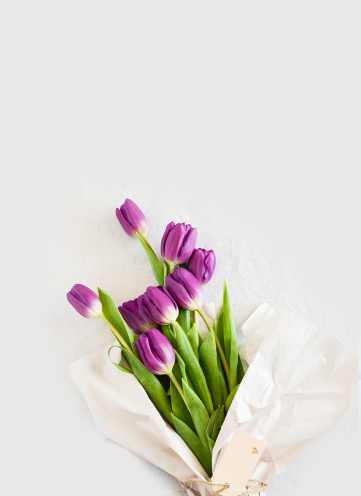
Tulips
- Trim stems daily for the first few days since they continue to grow.
- Place in shallow, cool water to prevent limp stems.
- Keep away from fruit and avoid overcrowding.
Hydrangeas
- Submerge stems in boiling water for 30 seconds to unclog and revive them.
- Mist petals daily as they hydrate more through petals than stems.
Lilies
- Remove pollen-laden anthers to prevent messy stains and premature aging.
- Handle carefully as petals bruise easily.
Each flower type may have its quirks, so don't hesitate to research specifics depending on your bouquet's composition!
Common Mistakes to Avoid When Caring for Cut Flowers
- Using dirty vases or tools--always clean all flower care equipment before use.
- Forgetting to recut stems when changing the water.
- Leaving leaves below the water line, leading to rapid decay.
- Overcrowding the vase, preventing proper airflow and hydration.
- Neglecting to use flower food or water additives.
- Placing arrangements in extreme heat, cold, or light.
Avoiding these missteps can significantly enhance your flower display's longevity!
Frequently Asked Questions About Keeping Cut Flowers Fresh
How long can I expect my flowers to last with proper care?
Most flower arrangements will stay fresh for 5-14 days, depending on the varieties included and the care they receive. For example, carnations and chrysanthemums are excellent for longevity, while delicate blooms like gardenias last for shorter periods.
What can I do if my flowers start to wilt?
If you notice drooping stems or petals, recut the stems, replace the water with fresh, cool water, and check if your vase is clean. For especially wilted stems (like hydrangeas), try soaking the whole flower head in warm water for a brief period.
Is it okay to mix different flower varieties together?
Yes, but be aware that some flowers secrete sap that may reduce the lifespan of their neighbors. For example, daffodils can release chemicals harmful to other blooms. If mixing, always rinse stems and keep daffodils in a separate vase for at least 24 hours before adding to mixed arrangements.
Should I refrigerate cut flowers overnight?
Professional florists often refrigerate flowers overnight to extend their freshness, especially before a special event. You can do the same--just ensure the temperature isn't freezing and that your arrangement is away from fruit and vegetables.
Does aspirin, soda, or a penny really help extend flower life?
Some home remedies--such as adding a crushed aspirin, soda, or a penny--do have supporters and limited scientific backing. However, flower food designed for cut arrangements is still the gold standard.
Summary: Your Actionable Checklist for Keeping Cut Flowers Looking Gorgeous
- Trim stems at an angle and remove submerged leaves.
- Start with a sparkling clean vase.
- Use cool, clean water and refresh every 2-3 days.
- Add commercial or homemade flower preservative.
- Keep flowers out of direct sunlight, heat, and drafts.
- Separate sensitive flowers or varieties with different needs.
- Enjoy and appreciate your fresh blooms daily!
Conclusion: Make Every Bloom Last
With just a few proactive steps and quick tips for keeping your cut flowers fresh, you can enjoy vibrant, long-lasting flower arrangements that enhance your home or office. By focusing on water quality, clean tools, proper trimming, and environmental control, you'll stretch those special moments out--one beautiful petal at a time.
Keep this guide handy next time you bring home a bouquet, and effortlessly become the go-to florist in your circle! For more flower care advice and inspiration, check out our related articles on long-lasting floral arrangements and DIY bouquet tips.