What to know about Islington Council rules for florist pavement stalls
Posted on 05/11/2026
If you sell flowers from a shopfront in Islington, the pavement outside can be worth almost as much as the counter inside. A well-placed florist pavement stall catches the morning commuter rush, the last-minute birthday buyer, and the person who has just remembered an anniversary on the way home. But, to be fair, it is not as simple as putting a few buckets outside and hoping for the best. What to know about Islington Council rules for florist pavement stalls starts with one basic idea: using public space usually needs permission, and how you set up matters just as much as what you sell.
This guide breaks down the practical side in plain English. You will learn why the rules matter, how pavement trading usually works, what councils tend to expect, and how to avoid the common missteps that can turn a promising display into an awkward phone call from enforcement. If you are opening a new florist, refreshing an existing pitch, or checking whether your current stall is actually compliant, this is the place to start.
There is a lot of fine print around pavement trading in London, and yes, it can feel a bit like juggling buckets of roses while reading paperwork in the rain. Still, once you understand the basics, the whole thing becomes much easier to manage.

Why What to know about Islington Council rules for florist pavement stalls Matters
Pavement stalls affect more than kerb appeal. They shape how safely people move past your shop, how busy the frontage feels, and whether the business looks tidy or chaotic. In a place like Islington, where pavements can be busy, narrow, and shared with cyclists, bins, parked vehicles, and people in a hurry, a florist display has to earn its space.
The rules matter because they help balance two needs at once: giving independent businesses room to trade, and protecting the public highway so people can pass safely and comfortably. If a stall sticks too far out, blocks visibility, or leaves no clear walking route, it can create friction very quickly. The result can be complaints, warnings, and in some cases a requirement to move the display or stop using it altogether.
There is also a reputation piece here. A clean, well-run stall signals care. A cluttered one, not so much. And customers notice. They may not know the exact wording of local consent conditions, but they absolutely notice whether they can walk past without squeezing between a rail of lilies and a sandwich board wobbling in the wind.
For flower businesses, the stakes are practical too. A pavement pitch can boost impulse sales, especially on Friday afternoons, Valentine's Day, Mother's Day, wedding season, and those grey London days when a bright bunch lifts everybody. But those gains only last if the setup stays compliant and manageable. It is less about bureaucracy for bureaucracy's sake and more about keeping the trade viable.
Key takeaway: A florist pavement stall is not just a marketing feature. In Islington, it is a use of shared public space, so safety, access, and permission are central from day one.
How What to know about Islington Council rules for florist pavement stalls Works
Most pavement stall arrangements follow a similar logic, even if the detail varies by location. First, the shopfront operator checks whether the stretch of pavement outside the premises can be used for trading. Then comes the permission stage, which may involve conditions about size, placement, pedestrian access, hours, and the type of structure or display allowed. After that, the business has to keep the stall within those limits every day it is in use.
The exact process can differ depending on the street, the width of the footway, nearby neighbours, access points, and whether the area has any special constraints. In some places, the answer may be straightforward. In others, it can take a bit more back-and-forth. Truth be told, that is normal. Councils have to think about the whole street scene, not just one shop.
For a florist, the practical question is usually: can I put flowers outside, and if so, how far, how much, and under what conditions? Typical issues include whether the stall leaves enough room for wheelchairs, pushchairs, and two people passing side by side; whether the display stays stable; and whether any signage or A-boards are part of the permitted layout.
Many flower shops also run into the same day-to-day realities: stock needs watering, blooms can be fragile in direct sun or wind, and buckets can tip if the footing is uneven. So compliance is not just paperwork. It affects the actual working rhythm of the stall. If the setup is awkward, you end up spending your lunch break wrestling with roses instead of serving customers. Nobody wants that.
If your florist business also offers delivery alongside walk-in sales, it can help to think of the pavement stall as part of a wider customer journey. For example, someone may spot the display outside and later place an order for flower delivery in Holloway N7 or browse a quick gifting option such as same-day flower delivery in Holloway N7. That way, the pavement display does more than attract footfall; it becomes the front door to the rest of the offer.
What a compliant stall usually needs to get right
- A clear pedestrian route that does not make people squeeze or step into the road
- Stable display units or buckets that are not likely to topple
- Placement that does not obstruct entrances, shop windows, crossings, or visibility splays
- Hours of use that fit the permission or local expectations
- Stock management that keeps the frontage tidy rather than sprawling
- Simple, legible signage without turning the pavement into a sales jungle
Key Benefits and Practical Advantages
When done properly, a florist pavement stall can be one of the best local sales tools available. It is immediate, visible, and hard to ignore. People see fresh flowers, smell the greenery, and often make a decision before they have even reached the shop door. That kind of impulse buying is gold for florists.
One obvious advantage is street presence. A lively pavement display makes a business feel open and active. It is especially useful on quieter high streets where a little colour can pull attention across the road. In the evening light, a well-styled row of flowers can look almost theatrical. Not in a fake way. Just enough to make people slow down.
Another advantage is flexibility. A pavement stall can be adapted for occasions, seasons, and stock levels. In spring you might lean into tulips and mixed bouquets; in winter, richer tones and compact arrangements often work better. If you also sell curated ranges such as best sellers or seasonal picks like summer flowers, the frontage can reflect what is moving fastest.
There is also a trust benefit. Customers often associate an outdoor stall with freshness because they can see turnover at a glance. A neat display tells them stock is being handled with care. If you keep flowers in top condition with good hydration and regular rotation, that impression becomes even stronger.
From a commercial point of view, the stall can support both planned and unplanned purchases. Someone buying for a birthday may add a card. Someone passing by with no plan may grab an affordable bunch because it simply looks lovely. If you stock accessible options like cheap flowers in Holloway N7 alongside more premium arrangements, you can serve both kinds of customer without making the display feel split or messy.
| Benefit | Why it matters in practice | What to watch out for |
|---|---|---|
| High visibility | Helps draw in passing trade and last-minute buyers | Display must still leave a safe clear path |
| Strong impulse appeal | Fresh flowers are easy to notice and quick to buy | Stock must stay tidy and well-watered |
| Local branding | Makes the shop feel active and established | Too much signage can look cluttered |
| Seasonal flexibility | Easy to change the look with occasions or weather | Changes should stay within permission conditions |
Who This Is For and When It Makes Sense
This topic matters most if you run, manage, or are about to open a florist in Islington and want to use the pavement outside as part of your retail setup. It also matters if you are taking over an existing shop and inheriting someone else's display habits. Previous owners are useful for local know-how, but they are not a substitute for checking the actual current arrangement. A lot can change. Streets change, traffic patterns change, and rules get interpreted more strictly over time.
You will especially want to pay attention if any of the following sound familiar:
- You want to place buckets, stands, or flower tables outside your shop
- You are unsure whether the existing stall has permission
- You are receiving informal advice from neighbours but no written confirmation
- You plan to expand the display for peak trading periods
- You are combining flower sales with cards, gifts, or small add-ons
- You have had a complaint about access or obstruction
It also makes sense for businesses that want to use the frontage to support specific product lines. For instance, a shop offering a local florist service in Holloway N7 may use the pavement to promote everyday bouquets, while a shop focused on events might want to showcase wedding work or sympathy flowers closer to the entrance. A well-set frontage can act like a silent salesperson. And sometimes that is exactly what you need.
On the other hand, if your street is narrow, heavily trafficked, or already crowded with other street furniture, the stall may need to be smaller or more carefully arranged. It is not about forcing a large display into a tight spot just because it looks good in a photo. That usually ends badly. Better to choose a compact, elegant setup than a sprawling one that causes daily headaches.
Step-by-Step Guidance
If you are approaching this from scratch, keep it simple and methodical. The process is easier when you treat it as a practical site planning exercise rather than a mystery tour through council paperwork.
- Assess the pavement outside your premises. Look at width, foot traffic, kerbs, drop curbs, nearby doors, bus stops, loading points, and any pinch points where people naturally bunch up.
- Map your proposed display. Sketch where buckets, stands, and signage would sit. Leave room for pedestrians first, sales display second. That order matters.
- Check whether you already have permission or a historic arrangement. Do not assume the old setup is automatically approved just because it has been there a while.
- Decide what you actually need. A compact flower table may be enough. You might not need a large multi-bucket arrangement unless you have the frontage for it.
- Build in safety and stability. Use weighted bases or low-risk display units where appropriate. Wind, rain, and everyday bumps are not gentle on loose containers.
- Make the layout easy to reset. A good stall is easy to water, tidy, and move if needed. If it takes 20 minutes and two people to shift one display, that is a warning sign.
- Review the display after opening. Stand back at street level. Can a wheelchair pass comfortably? Can two people cross without turning sideways? If not, tweak it.
- Keep records and photos. Photograph the final approved layout and keep notes on how it is set up. That helps if a question comes up later.
One small but useful habit: revisit the stall layout on different days. A setup that feels fine at 8 a.m. can feel cramped at 5 p.m. when footfall picks up and delivery drivers are hovering nearby. The street changes by the hour, which sounds obvious, but people forget it all the time.
Expert Tips for Better Results
The best pavement stalls look effortless. That effortlessness is not accidental, of course. It comes from planning, repetition, and a few good habits.
Keep the display visually disciplined. A florist stall can become chaotic quickly if every available surface is used. Pick a colour story, a product hierarchy, and a sensible container style. It does not have to be minimal, just coherent.
Think in levels, not sprawl. One shorter front line of flowers and one slightly raised feature area often works better than a wide, flat spread. It makes the display feel fuller without taking over the pavement.
Use high-turnover products at the edge. The flowers that sell fastest should be easiest to reach, water, and refresh. In practice, that saves time and reduces waste.
Plan for bad weather. London weather is not exactly known for manners. Rain can flatten paper wraps, sun can stress delicate stems, and wind can tip signs. Have a simple weather plan for opening, closing, and protection.
Do a customer walk-by test. Literally walk past your own stall as if you were a stranger with a pushchair, a shopping bag, or a takeaway coffee. That tiny exercise tells you more than a spreadsheet ever will.
Match the stall to the business model. If your store also handles online orders, use the pavement stall to move complementary items and grab-and-go bouquets. Linking it with broader offer pages such as send flowers in Holloway N7 can help customers understand that the shop serves both walk-ins and delivery buyers.
And one more thing: do not let the stall get too precious. It needs to look cared for, yes, but it also has to survive a busy day, a gust of wind, and the occasional scooter whizzing past at exactly the wrong moment. Pretty and practical. That is the sweet spot.
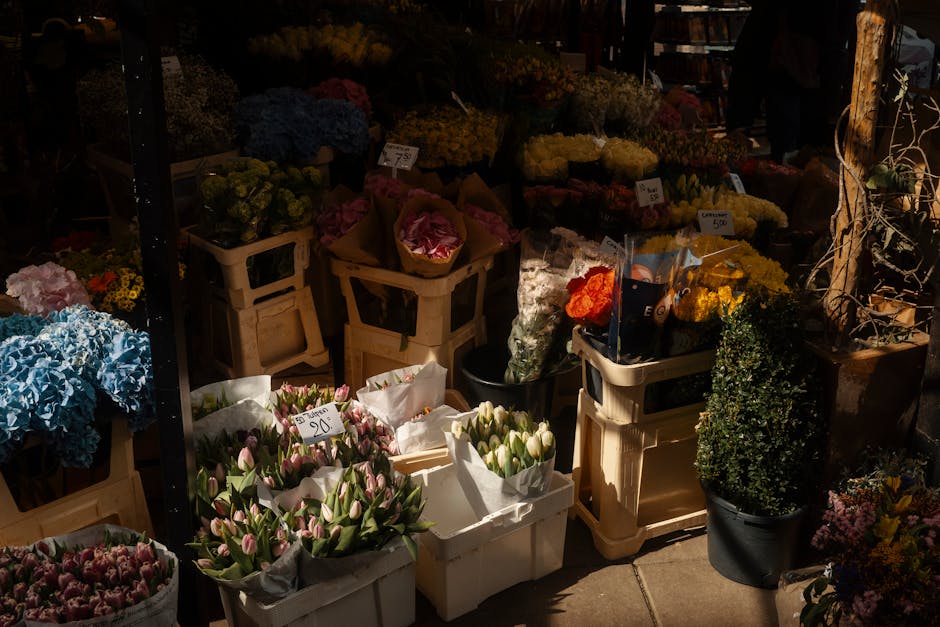
Common Mistakes to Avoid
Most problems with pavement stalls are not dramatic. They are small mistakes repeated until somebody notices. That is usually how it goes.
- Assuming permission exists. If you have not checked the current arrangement, do not guess.
- Blocking the walking line. Even a display that looks narrow can cause congestion if placed badly.
- Using unstable containers. Wobbly buckets are annoying, and in wet weather they can become a hazard.
- Overloading the frontage. More stock does not always mean more sales. Sometimes it just means more clutter.
- Ignoring neighbours or nearby businesses. If your stall interferes with another entrance or display, friction follows.
- Forgetting accessibility. A good trader thinks about wheelchairs, prams, mobility aids, and people with limited sight.
- Leaving stock untidy. Drooping stems, dead leaves, and water spills make the stall look tired fast.
- Changing the layout without checking the implications. A small tweak can be a big problem if it pushes the display outside what was agreed.
There is a subtler mistake too: making the stall visually busy because you think that is what people want. Sometimes they do want abundance, sure. But there is a point where abundance becomes noise. If the eye does not know where to land, the customer keeps walking. Simple as that.
Tools, Resources and Recommendations
You do not need a complicated setup to manage a good florist pavement stall. In fact, simpler is usually better. The most useful tools are the ones that help you stay tidy, safe, and quick to reset.
- Weighted buckets or sturdy display tubs for stable, low-risk presentation
- Measuring tape to check widths and keep the layout consistent
- Weather covers or quick-move storage for sudden showers
- Cleaning cloths and mop gear to deal with spilled water promptly
- Basic photo records of the approved layout and daily setup
- Price cards that are easy to read without adding visual clutter
- Order book or tablet if you also take bespoke requests on the spot
For broader business operations, it can also help to keep your customer-facing policies in good shape. If you sell flowers by delivery and in-store, your delivery information, guarantees, and returns and refund pages should be clear and consistent, because street sellers often end up explaining the same points in person. Having those details sorted saves time and reduces confusion.
For product inspiration, many shops benefit from a compact edit rather than an everything-at-once display. Seasonal lines, best sellers, and a few price-led choices tend to work better than an oversized mix. If your customer base likes gift-ready options, ranges such as flowers in a vase or luxury flowers can help you signal quality quickly without filling the pavement with too many separate items.
Law, Compliance, Standards, or Best Practice
Pavement trading sits at the intersection of local permission, highway safety, and general business responsibility. That is why the safest approach is cautious, not casual. You should treat the stall as an outdoor retail installation on shared public space, because that is effectively what it is.
In practice, compliance usually means:
- Following the conditions attached to any permission or licence
- Keeping the footway clear enough for safe pedestrian passage
- Not blocking access to entrances, driveways, crossings, or service routes
- Maintaining the stall so it does not create trip, slip, or collision risks
- Ensuring signs, frames, and containers stay within the approved footprint
- Responding promptly if the council asks for adjustments
Best practice also means documenting what you do. A few dated photos, a simple plan of the layout, and a note of any agreed conditions can save a lot of stress later. If you ever need to explain the setup, you have something concrete rather than memory and guesswork. And memory is a tricky thing once a busy Saturday has passed and everyone's had too little sleep.
It is also sensible to think about operational discipline. For example, if the stall is left out for long periods, or if stock is added ad hoc through the day, the risk of drift goes up. A stall that starts neat can slowly sprawl. People rarely notice the first inch. They notice the tenth.
Where a florist also handles specialty ranges or memorial flowers, the same principle applies: the presentation must stay respectful, orderly, and suitable to the setting. A compact frontage featuring thoughtful products from ranges like sympathy flowers can be both commercially effective and visually restrained. That is often the better route in a mixed retail environment.
Options, Methods, or Comparison Table
Not every florist in Islington needs the same kind of pavement presence. The right method depends on frontage width, stock mix, staffing, and how much daily setup time you can realistically spare.
| Option | Best for | Pros | Trade-offs |
|---|---|---|---|
| Small bucket cluster | Tight pavements and quick setup | Simple, flexible, low visual clutter | Limited stock display |
| Feature table with mixed blooms | Medium frontages and walk-in trade | Strong visual impact and easier browsing | Can become untidy if overfilled |
| Seasonal rotating display | Shops with changing promotions | Keeps frontage fresh and current | Needs frequent restyling |
| Compact premium showcase | Higher-end floristry | Elegant, brand-led, polished look | Less room for budget lines |
In real terms, the best option is the one you can maintain every day without cutting corners. If a large display looks wonderful for one hour and then becomes a nuisance for the next seven, it is not a great display. A good stall is not just attractive on arrival; it still looks good when the lunch rush hits and the buckets have been topped up twice.
Case Study or Real-World Example
Picture a small florist on a busy Islington side street. The owner wants to place a compact pavement stall outside the shop, mainly to catch passers-by on weekday mornings and Friday afternoons. The first draft layout is ambitious: six buckets, a chalkboard, a gift stand, and a card spinner. It looks cheerful in the shop but feels crowded once it reaches the pavement.
After a quick review, the owner scales it back. The final version uses fewer containers, tighter colour grouping, and a single clear sign. The walkway stays open, the display can be watered in minutes, and the stall no longer needs constant shuffling when pedestrians pass. Sales do not collapse. In fact, they improve because the display is easier to browse and the frontage looks calmer.
That kind of adjustment is common. The first idea is rarely the best idea. Once traders stand outside and watch how people actually move, they usually spot the issue straight away: a wheelbarrow of flowers may be lovely, but if it turns the doorway into an obstacle course, customers hesitate. The smoother the flow, the better the result.
In one case like this, the florist also started steering more customers towards pre-made bouquet pages and seasonal lines online, including florist choice and any occasion, so the pavement display acted as a visual prompt rather than having to hold every possible item in front of the shop. That made the outdoor area easier to manage and the whole business feel more polished.
Practical Checklist
Use this checklist before you put a florist pavement stall into daily use. It is quick, but honestly, it catches the most common problems.
- Have you confirmed whether permission or a licence is needed?
- Do you know the exact space you can use outside the shop?
- Is there a clear, safe pedestrian route left open?
- Are all buckets, tables, and signs stable and weather-ready?
- Have you checked that the display does not block access points or visibility?
- Is the frontage easy to tidy, water, and reset during the day?
- Do staff know the approved layout and the limits on changing it?
- Have you taken photos of the final setup?
- Are price cards, stock levels, and promotions easy to manage without clutter?
- Does the stall still look good when it is busy, not just when it is first opened?
If you can answer yes to most of those, you are in a much better place than the average hurried shopfront. And if a couple of answers are no, that is fine too. Better to fix them now than find out the hard way later.
Conclusion
The main thing to remember about Islington Council rules for florist pavement stalls is that the stall is both an opportunity and a responsibility. It can lift sales, improve visibility, and make your shop feel alive. But it also uses shared public space, which means safety, access, and tidy presentation need to come first.
If you plan carefully, keep the display proportionate, and treat the pavement as part of the business rather than an afterthought, you give yourself the best chance of long-term success. That usually means fewer headaches, happier customers, and a frontage that works hard without looking overworked.
The best stalls are the ones people barely have to think about. They notice the flowers, not the obstruction. They remember the colour, not the clutter. That is the goal, really.
Get a free quote today and see how much you can save.
Frequently Asked Questions
Do I need permission to put a florist stall on the pavement in Islington?
In most cases, yes, or at least some form of approval is likely to be involved. Pavement space is part of the public highway, so you should not assume you can use it freely. The safest approach is to check what applies to your exact frontage before you place any stock outside.
How much space should I leave for pedestrians?
There is no one-size-fits-all answer here because pavements vary a lot. What matters is that people can pass comfortably and safely, including wheelchair users and pushchairs. If your display makes people step into the road or squeeze past awkwardly, the layout is probably too tight.
Can I change the stall layout whenever I want?
Not always. Even small changes can matter if they alter the footprint or obstruct the footway more than expected. If you want to adjust the setup, keep it within the agreed conditions and avoid turning a neat stall into a moving target.
What happens if my pavement display causes a complaint?
You may be asked to move it, reduce it, or stop using that setup until it meets the required standards. Complaints usually arise from obstruction, clutter, or access issues. It is much easier to fix a concern early than after it has escalated.
Are flower buckets better than tables for pavement stalls?
It depends on your space and style. Buckets can be flexible and easy to rearrange, while tables can make browsing easier and create a stronger visual display. For narrow pavements, buckets often make more sense; for wider frontages, a table may be more effective.
Can I sell cards and gifts alongside flowers outside?
Possibly, but only if the whole arrangement still fits the rules and does not clutter the pavement. Small add-ons can help basket spend, but they also increase the risk of overfilling the frontage. A compact, well-edited selection usually works best.
Do I need special equipment for weather protection?
You do not need anything fancy, but you do need a sensible plan. Flowers, signage, and containers should cope with wind and rain, and you should be able to move or cover the display quickly if conditions change. London weather has a habit of testing every decision.
Is a pavement stall worth it for a small florist?
Often yes, if the frontage is suitable and the stall is kept manageable. A small, tidy pavement display can boost walk-in sales and raise awareness of the shop without needing a huge investment. The key is making sure it stays practical to run every day.
Should I keep records of my stall setup?
Yes, that is a very good idea. Photos and notes help you show what the display looks like when it is correctly arranged. If there is ever a question about compliance, those records can be surprisingly useful.
What if I also offer delivery and online ordering?
That can work very well. In fact, a pavement stall can support the rest of the business by bringing in customers who later order online or ask for delivery. It helps to make your in-store, pavement, and delivery offer feel joined up rather than separate.
What is the biggest mistake florists make with pavement stalls?
The most common mistake is overestimating how much room the display should take. A stall that looks fine in the shop can become a nuisance outside. If you keep the layout simple, stable, and easy to walk past, you are already ahead of the game.
Where should I start if I want to use the pavement outside my shop?
Start with a measured look at the space outside your premises, then check whether the arrangement is allowed and what conditions apply. After that, design the stall around pedestrians first and product display second. That order usually leads to a better outcome, and it saves a lot of faff later.